Infrastructure & Mobility
A Transport Disruption Playbook for Road Closures Heavy Rain and Service Changes
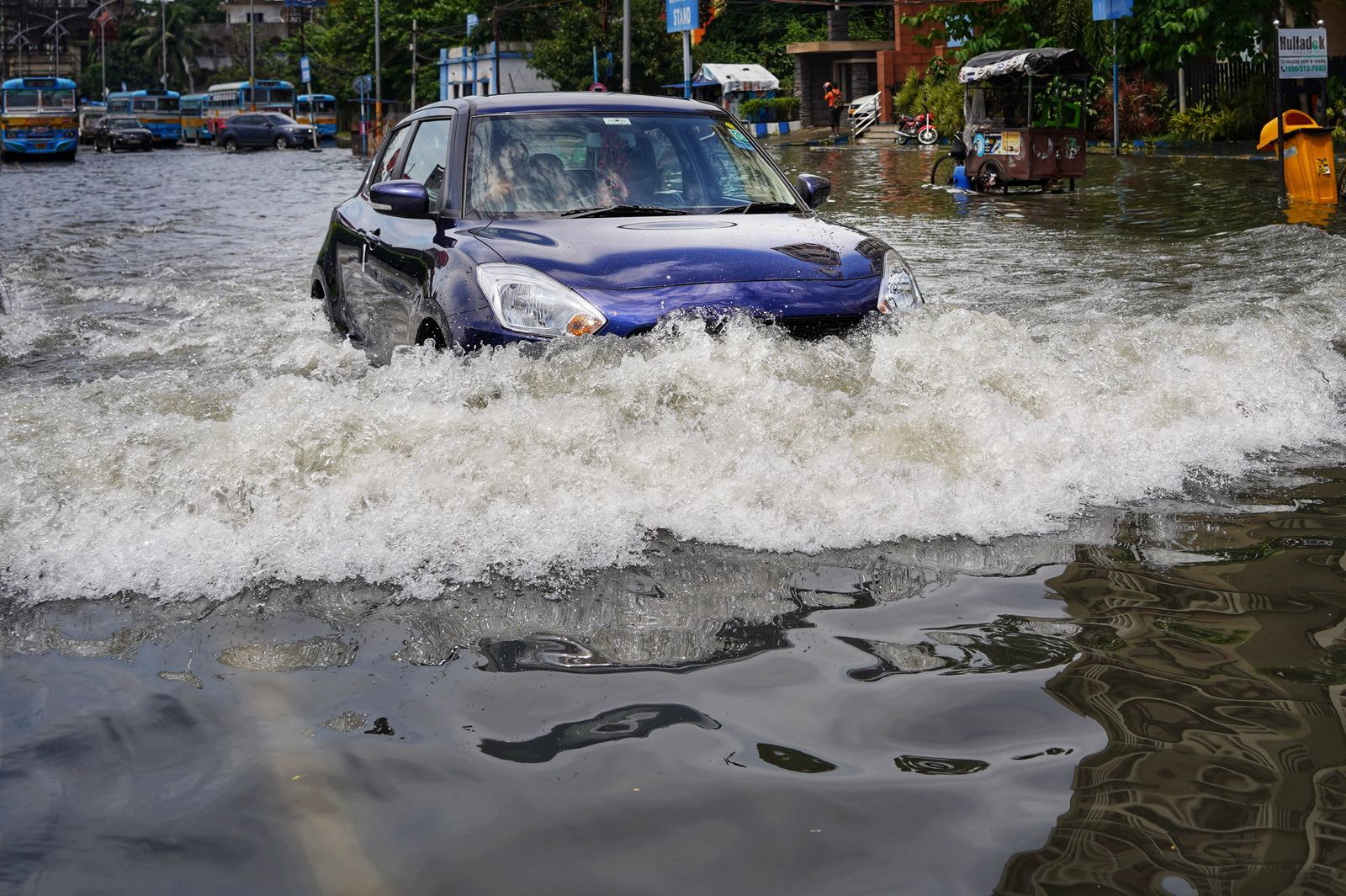
A road closes shortly before the morning pickup. One dispatcher searches for an alternative, another calls the customer and a third sends a replacement bus into the same affected area. The team is busy, but nobody owns the operating decision.
The underlying problem is uncertainty without a decision structure. A practical solution is a disruption playbook that defines who confirms the situation, who decides whether service can proceed and how passengers receive consistent updates.
For UAE and GCC transport operators, the playbook should work across several causes: severe weather, a blocked access road, a venue closure or an interruption to a connecting service. The response must remain specific to the actual hazard.
Establish the facts from a trusted source
Record what is known, where it applies and when it was checked. Use official authority information, confirmed site contacts and direct operational reports as appropriate.
Treat an unverified forwarded message as a lead to check, not an instruction to reroute a fleet. Equally, do not wait for perfect information before taking a necessary safety precaution.
RTA's weather safety guidance warns drivers about flooded areas and adverse road conditions. A transport service should follow official directions and avoid sending vehicles into an unsafe or closed route simply to preserve a promised arrival time.
Name the person who makes the operating decision
The decision may be to continue on an approved route, delay departure, use a verified alternative or suspend the affected movement. Define which role can make each decision and when management or emergency services must be involved.
Separate the operational decision from customer communication. Both need an owner, but they are different tasks. A sales contact should not promise a new arrival time before operations confirms that the route is feasible.
The HSE emergency planning guidance supports establishing responsibilities and coordination before an incident. Apply that general principle within local emergency and transport requirements.
Protect people before protecting the timetable
If passengers are already travelling, establish their location and immediate welfare needs. Follow the appropriate emergency procedure where required. A safe holding arrangement may be preferable to an uncertain diversion.
If passengers have not boarded, avoid sending them to an exposed pickup point while the service decision is unresolved. Coordinate with the employer or venue so people receive a clear instruction about where to wait.
Do not ask drivers to make calls or read updates while driving. Use the agreed safe communication process and allow the driver to stop appropriately before receiving detailed instructions.
Verify alternatives as complete routes
An alternative is more than a road that appears open on a map. Check vehicle access, turning restrictions, passenger pickup arrangements, permissions and the impact on subsequent duties.
A route suitable for a car may be unsuitable for a coach. A diversion may also change toll exposure or take the vehicle outside its expected duty window. Confirm those implications before presenting the alternative as ready.
Use a route only when the responsible team has enough reliable information to release it. Drivers should never be pressured to cross floodwater or bypass an official closure to meet a commercial commitment.
Communicate in a repeatable format
A useful update states the affected service, the confirmed issue, the current decision and the time of the next update. If the arrival time is uncertain, say so and provide the next decision point.
For example, explain that the normal access road is closed, the vehicle is holding at an approved location and the team will update the customer at 07:15 after checking the alternative entrance. That is more useful than repeatedly saying the bus is on the way.
Keep the same facts across operations, customer service and account management. Preserve the update history so the team can see what passengers were told.
Manage the knock on effect
A disrupted morning duty can make an afternoon assignment infeasible. Review the vehicle and driver chain, not only the first affected customer.
Prioritise by safety, passenger vulnerability, contractual obligations and the availability of alternatives. Record the decision rather than allowing the loudest caller to determine the entire fleet response.
Reserve capacity is valuable only if it can reach the affected service and meets its requirements. Confirm the substitute's actual location and eligibility before promising recovery.
Preserve the commercial evidence
Record which work was completed, delayed, changed or cancelled, together with the relevant customer approvals. Finance will later need to apply the agreement correctly.
Do not assume that every disruption creates a free cancellation or an automatic extra charge. The governing terms and applicable law determine the commercial outcome. Keep factual service evidence separate from the decision about liability or payment.
TransLogix's trip, customer, agreement and billing records can support that evidence trail. The playbook should define the people and external information sources behind each decision. It should not assume automatic weather monitoring, rerouting or passenger messaging unless those capabilities have been separately established.
Rehearse one scenario each quarter
Choose a realistic disruption and walk through the first thirty minutes. Give the team incomplete information, an affected driver and a customer asking for a definite arrival time.
Observe whether roles remain clear and whether the first update is accurate. Identify missing contacts, unsuitable holding points and resource dependencies. Update the playbook while the lessons are fresh.
Our article on corporate customer expectations explains why dependable communication matters. During a disruption, a truthful next update can be more valuable than an optimistic arrival promise.
Should a playbook contain fixed alternative routes?
It can contain assessed options, but their current availability must still be checked. A route approved during one disruption may be affected during another.
What marks the end of the incident?
Confirm that passengers and resources are accounted for, the service position is clear and outstanding actions have owners. Returning traffic flow alone does not close every operational consequence.
A disruption playbook earns its value when the original plan becomes impossible. It gives the team a safe, coherent way to decide what happens next.
Want to see how TransLogix handles this for your fleet?