Fleet Operations
From Customer Inquiry to Vehicle Dispatch: How to Digitize the Complete Passenger Transport Workflow
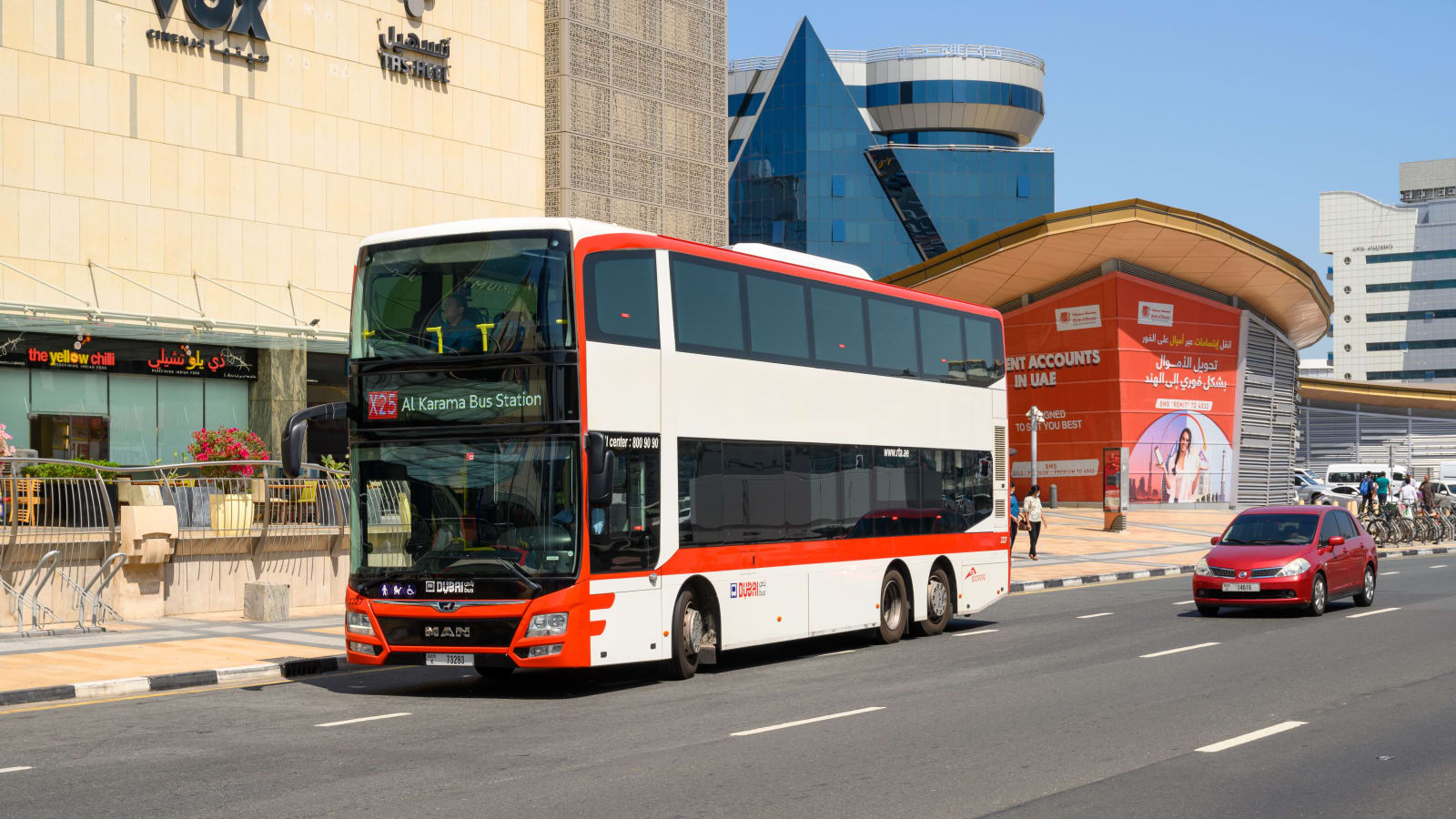
Every passenger transport booking, no matter how simple it looks from the outside, actually passes through nine distinct stages before it's truly finished. Inquiry, quotation, customer approval, booking, vehicle allocation, driver assignment, trip execution, completion, and finally invoicing and payment collection.
Most transport companies handle each of these stages reasonably well in isolation. What almost nobody handles well is the handoff between them. That's where trips get delayed, invoices get missed, and customers start to feel like they're dealing with three different companies instead of one.
This article walks through the entire journey, stage by stage, and shows what changes when it's digitized as one connected flow instead of nine separate manual steps.
Stage one: the inquiry
Every booking starts as a question. A corporate HR manager needs daily staff transport for 40 employees. A wedding planner needs a fleet of vehicles for one evening. A hotel needs an airport shuttle running every two hours.
The way this inquiry is captured matters more than most operators realize. If it comes in as a WhatsApp message that gets buried under twenty other conversations, or a phone call that only gets written down if whoever answered happened to have a pen nearby, the inquiry is already at risk before anyone has done anything wrong. The first digitization win is simple: every inquiry gets logged, with a source, a date, and an owner, the moment it arrives.
Stage two: the quotation
Once the requirement is understood, it needs a price. This sounds simple, but it's actually one of the highest friction points in the entire journey, because pricing a transport job correctly requires knowing vehicle type, route or duration, VAT treatment, and any recurring versus one time terms.
A manual quotation process usually means someone building a document from scratch, calculating VAT by hand or by a separate spreadsheet formula, and emailing a PDF that nobody has a proper version history for. If the client asks for a revision, a second document gets created, and now there are two versions floating around with no clear record of which one was actually agreed to.
Digitizing this stage means the quotation is generated from structured data, VAT is calculated automatically and correctly every time, and every revision is versioned, so there is never any ambiguity about what was actually quoted.
Stage three: customer approval
A quotation sitting in an inbox isn't a commitment. It becomes one when the customer approves it, and this is a stage that's frequently skipped entirely in informal operations, where a verbal "yes, let's go ahead" over the phone becomes the entire record of agreement.
This matters enormously when a dispute comes up later about pricing, scope, or terms. A digitized approval step creates a clear, timestamped record that the customer accepted specific terms, at a specific price, for a specific scope of work. It protects both sides, and it's the trigger that should automatically move the job into the next stage rather than requiring someone to remember to do it manually.
Stage four: the booking
Once approved, the quotation becomes an actual booking, tied to specific dates and requirements. This is the point where the job stops being a sales conversation and starts being an operational commitment.
The critical digitization point here is that the booking should inherit everything from the quotation automatically. Nobody should be retyping vehicle requirements, pricing, or client details into a second system. Every re typing is an opportunity for a mistake, and mistakes at this stage tend to surface at the worst possible time, on the day of the trip.
Stage five: vehicle allocation
Now the real operational work begins. A specific vehicle needs to be assigned to this booking, and this is where a huge share of transport companies run into trouble.
Without a system that checks for conflicts automatically, it's entirely possible for the same vehicle to be assigned to two different jobs that overlap in time. This usually isn't discovered until the day of the trip, when someone realizes Vehicle 12 is supposed to be in two places at once. A digitized allocation step checks vehicle availability against every other commitment that vehicle already has, and simply won't let a double booking happen in the first place.
Stage six: driver assignment
The same conflict problem applies to drivers, and arguably matters even more, because a driver has legal working hour considerations, a specific license type, and a physical location they need to be in ahead of a trip.
Assigning a driver manually usually means checking a separate schedule, often kept by a different person, and hoping it's up to date. Digitizing this means driver assignment happens against the same real time schedule as vehicle allocation, with the same conflict protection, and the driver receives their assignment directly, without a phone call or a message that might not reach them in time.
Stage seven: trip execution
This is the stage customers actually experience. The vehicle arrives, the trip happens, and in a manual system, the only record of what actually occurred is whatever the driver remembers to report afterward, if anything.
A digitized trip execution stage gives drivers a simple way to confirm they've started and completed a trip, ideally from their phone, creating a real timestamped record. This matters not just for customer service, but for resolving disputes about late arrivals, no shows, or service issues, because there's an actual record instead of two conflicting memories of what happened.
Stage eight: completion
A trip needs to be formally marked complete before it can be billed, and this stage is often the quietest failure point in the entire journey. A trip happens, everyone moves on to the next thing, and nobody goes back to close it out in whatever system is supposed to track it.
When completion isn't tracked properly, invoicing gets delayed, sometimes by weeks, simply because nobody flagged that the work was actually done and ready to bill. Digitizing this means a trip's completion status is visible and current, without requiring someone to manually chase it down.
Stage nine: invoicing and payment
The final stage is where the business actually gets paid, and it should flow directly from everything that came before it. If the quotation, booking, and trip completion are all connected, the invoice practically writes itself, pulling the agreed pricing, the actual completed work, and the correct VAT treatment without anyone re entering numbers.
In a disconnected setup, this is where finance teams spend hours reconciling what was quoted against what actually happened, chasing operations for confirmation that a trip was completed, and occasionally sending invoices for the wrong amount because the pricing changed somewhere along the way without finance being told.
Why the handoffs matter more than the stages themselves
Every one of these nine stages can be done reasonably well by a skilled team using generic tools. What's almost impossible to do well with generic tools is the handoff between them, because each handoff usually means someone manually transferring information from one system, document, or conversation into another.
This is exactly where TransLogix is built to remove friction. An inquiry becomes a quotation without re entering details. An approved quotation becomes a booking automatically. Vehicle and driver assignment happen with real conflict checking built in. Trip completion is confirmed by the driver directly from the field. And invoicing draws from the actual completed work, not from someone's recollection of it.
The compounding effect of a connected workflow
The value of digitizing this workflow isn't visible in any single stage. It's visible in how much faster and more reliably a booking moves from inquiry to paid invoice when nine manual handoffs become one continuous flow.
A company that used to take two weeks from inquiry to signed quotation can often cut that to two or three days, simply because nothing is sitting in someone's inbox waiting to be noticed. A finance team that used to spend the first week of every month reconciling what happened against what was billed can close the books in a day or two, because the data was accurate the entire way through.
The bottom line
The passenger transport workflow, from a customer's first question to money landing in your account, is genuinely complex, with nine distinct stages and real risk of something falling through the cracks at every handoff between them.
Most operators have already digitized pieces of this, a quotation template here, a scheduling spreadsheet there, but very few have connected all nine stages into a single flow. TransLogix was built specifically to close that gap, following a booking from the first inquiry all the way through to a paid invoice, without a single manual handoff along the way.
A few of the individual handoffs in that nine stage flow deserve their own closer look: funding the mobilisation period before the first invoice is paid, keeping quotation revisions under version control once a client starts negotiating, watching driver fatigue on split shifts at the dispatch stage, and getting the pickup bay right for a one time event rather than a recurring route.
Want to see how TransLogix handles this for your fleet?