Infrastructure & Mobility
Event Shuttle Planning in Dubai Why the Pickup Bay Can Matter More Than Fleet Size
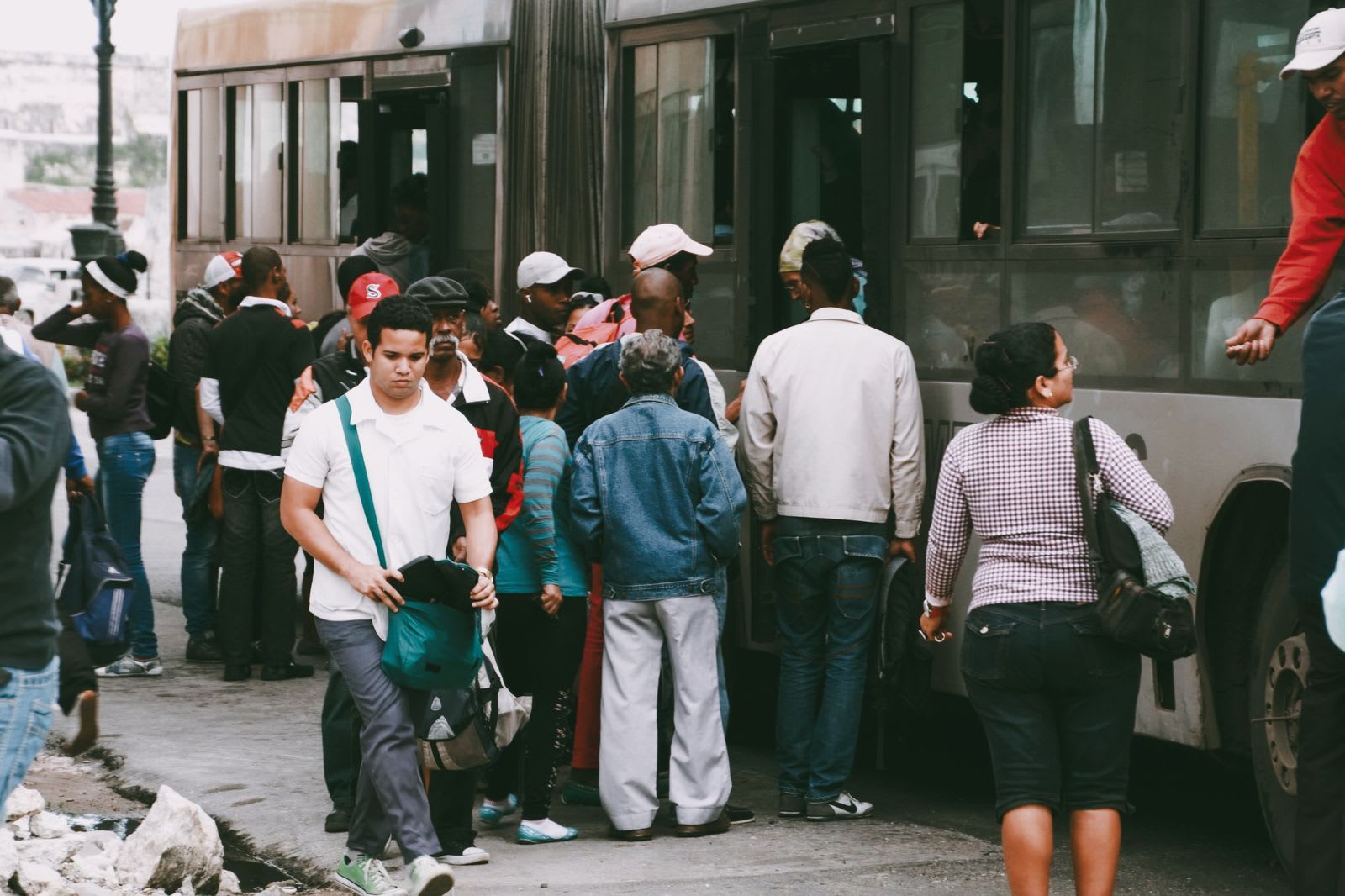
The event ends at 22:00. Twelve buses are available, yet guests wait because only two vehicles can load safely at the entrance. More buses arrive and block the exit, making the queue worse.
Adding more buses will not clear an event crowd if one pickup bay cannot load them quickly enough. Plan the loading process, passenger release and vehicle staging with the venue as one operation.
This method is useful for Dubai conferences, GCC corporate events and hotel group movements. It does not replace the venue's safety plan or required local approvals.
Identify the narrowest part of the movement
Trace the journey from the event exit to the seat. Guests may need to pass through a corridor, find the correct group, collect luggage and reach a loading bay. Each stage can limit how quickly transport departs.
The vehicle route matters too. Check whether buses can enter, turn, wait and leave without reversing into pedestrians or obstructing emergency access. Use the actual vehicle dimensions and venue rules.
The HSE guidance on venue design emphasises access, circulation and clear responsibility for shared sites. These are general planning principles; the Dubai venue and relevant authorities determine the local operating requirements.
Calculate a theoretical loading limit
Suppose two usable bays each take five minutes to position, load and release a bus. The theoretical maximum is 24 buses per hour: twelve per bay.
If twelve buses must load, the minimum service time at that assumed rate is thirty minutes. Real operation may take longer because arrival patterns, luggage, assistance needs and pedestrian movement are variable.
This illustrative calculation is not a safety capacity assessment. It reveals a basic planning constraint. Adding another ten buses will not remove a loading bottleneck if they all need the same two bays.
Observe a representative boarding process
Time the complete bay occupation, not just the moment passengers begin boarding. Include vehicle positioning, door operation, group identification, luggage handling, assistance and safe departure.
Use different passenger groups where relevant. A conference shuttle with small bags behaves differently from an airport transfer with suitcases. A group requiring additional boarding assistance needs an appropriate allowance and trained support.
Do not try to shorten the cycle by skipping safety checks or rushing passengers. Improve the layout, instructions and sequencing instead.
Separate staging from boarding
Where approved space exists, hold buses away from the active pickup area and call them forward when the bay and passenger group are ready. Give each movement a clear identifier that the coordinator and driver both understand.
The staging location must itself be authorised and suitable. Do not assume nearby roads or public bus stops are available for private event holding.
Set a communication method that drivers can use safely. The person controlling the bay should know which bus is next, whether the group is ready and whether the exit is clear before releasing another vehicle into the area.
Release passengers in manageable groups
Work with the organiser on how guests receive instructions and when groups approach the pickup point. Clear destination signs, a staffed help point and consistent vehicle identifiers can reduce confusion.
Keep emergency routes and pedestrian circulation open. Crowd barriers, stewarding and queue arrangements should be designed by the responsible event team according to the site's requirements.
The HSE coordination guidance identifies transport operators, venue management and emergency services among the parties whose responsibilities need to align. The transport plan should be part of the event plan, not a separate spreadsheet delivered at the last moment.
Plan the final departures
The last few passengers can be harder to manage than the main wave. Some leave early, some remain at the venue and others join a different group. Decide how the organiser confirms that each planned group is complete.
Define the final departure process and the contact responsible for missing guests. Keep safeguarding and accessibility requirements in view. Do not make a driver's individual judgement the only control for deciding whether everyone has been accounted for.
If a late additional trip is required, record who authorises it and how it affects the resource plan and price.
Make the quote reflect the operation
Price the actual duty, including staging time, shuttle cycles, standby resources and any agreed extension. A quotation for one transfer is not equivalent to a vehicle remaining available throughout an event.
Confirm venue access charges and requirements separately. Avoid including an assumed pickup arrangement that has not been approved.
TransLogix's quotation versions, agreements and dispatch records can keep those commitments connected to the assigned vehicles and drivers. Dedicated crowd control, live passenger counting and venue systems should be confirmed as separate arrangements where needed.
Our guide to digitising the passenger transport workflow covers the commercial handover. Event planning adds the physical constraints that the quotation must represent.
Rehearse the busiest fifteen minutes
Before the event, walk through the peak departure period with the organiser and venue team. Test a bus arriving early, a delayed passenger group and one unusable bay.
Agree who can pause loading, move a group or change the vehicle sequence. Keep the decision chain short enough to work under pressure.
Afterwards, compare planned and actual bay occupation, passenger waiting and departure order. Use the findings to improve the next event rather than assuming that more vehicles are always the answer.
How many buses should be booked?
Calculate seats and complete vehicle cycles, then check whether the venue can load and release them at the required rate. Fleet size and pickup capacity must agree.
Should all buses wait outside the main entrance?
Only if the venue and authorities permit it and the layout supports safe operation. An approved staging plan is often more manageable.
Guests remember whether they understood where to go and whether the bus left when expected. A controlled pickup area gives the fleet a chance to deliver both.
Want to see how TransLogix handles this for your fleet?